.gif "logo title")
The Tree of New America sustainability ecosystem platform
— A Coordination Layer for Community Systems
The Tree of New America Sustainability Ecosystem Platform is a coordination and data infrastructure designed to organize fragmented community resources into a unified, scalable system. It connects food recovery, workforce activity, and housing support into a continuous operational flow—enabling communities to move from isolated efforts to structured, repeatable outcomes.
This is not just a dashboard or a tracking tool. It is a coordinated system supported by dashboards, interfaces, and data tools that provide visibility, accountability, and control across all activity. While the platform enables tracking and reporting, its primary function is to organize real-world operations into a structured, functioning ecosystem.
The Problem the System Solves
Across communities, multiple organizations are working to address food insecurity, housing instability, and access barriers. Retailers generate surplus food, community partners distribute it, and housing providers support vulnerable populations. Yet these systems rarely operate together. Without coordination, food goes unrecovered, delivery is inconsistent, and opportunities for impact are lost. The result is inefficiency—not because of lack of effort, but because of lack of alignment.
How the System Works
The TONA Sustainability Ecosystem Platform introduces structure across the entire process. It connects resource origin, operational activity, and final delivery into one coordinated system. Food is recovered from retail sources and routed through production and distribution partners. Workforce activity—drivers, volunteers, logistics, and sorting—is organized and tracked through structured workflows and supported by system tools. Distribution is directed toward communities and housing environments where access barriers exist. Each step is connected, creating a continuous flow rather than isolated events.
System Flow: From Recovery to Delivery
At its core, the system operates through a simple but structured sequence: resources are recovered, activity is coordinated, and impact is delivered. What changes is not the existence of these actions, but their alignment. Through coordination, the system enables daily recovery instead of intermittent pickups, structured distribution instead of ad hoc events, and consistent delivery into environments where support is needed most.
See the System in Operation
[Explainer video] This is a working system. Retail partners, community organizations, and housing providers are already connected through real-world activity. The TONA Sustainability Ecosystem Platform enables these connections to operate as a unified process—creating visibility, consistency, and scale.
Core System Component One - Food Recovery & Diversion
The system captures surplus food from retail partners through both scheduled and on-demand recovery. Instead of relying on intermittent pickups, the platform enables daily routing and coordinated execution—reducing waste while increasing consistent supply to communities.
Core System Component Two - Workforce Activity (Emerging Layer)
The system organizes the people who make operations possible. Drivers, volunteers, logistics coordinators, and support roles are structured into a coordinated workforce layer. Activity is supported by system tools that enable tracking, accountability, and repeatability—transforming informal participation into scalable operational capacity.
Core System Component Three - Housing Stabilization Support
The system connects distribution directly to permanent and temporary supportive housing environments. By delivering food into these locations, it reduces transportation barriers and contributes to housing retention by supporting individuals where they live.
Data, Visibility, and Coordination
Every part of the system contributes to a continuous data chain. Recovery is logged, activity is tracked, and delivery is recorded through platform interfaces. This creates visibility across the entire process—allowing partners, stakeholders, and communities to understand how resources move and where impact is created. The result is not just activity, but measurable coordination supported by real-time and recorded system data.
Built for Multi-Partner Alignment
The system is designed to operate across organizations, not within a single entity. Tree of New America serves as the system integrator—deploying the TONA Sustainability Ecosystem Platform and enabling coordination between partners.Anchor organizations manage local operations, while production, outreach, and housing partners each fulfill defined roles within the system. This structure allows multiple organizations to operate as one coordinated network.
Designed for Scale
The Tree of New America Sustainability Ecosystem Platform is built for expansion. What begins as a county-level deployment can extend across regions, connecting additional partners and systems without losing structure. Because it organizes existing capacity rather than replacing it, the system can scale without requiring entirely new infrastructure. It grows by aligning what is already there.
From System to Interface
The TONA Sustainability Ecosystem Platform operates behind the scenes—but its impact is made visible through the Tree of New America. The Tree serves as the interface layer, translating system activity into a physical and experiential form that communities can see, understand, and engage with. [Optional: Tree visual reference]
Be Part of a Coordinated System
The Tree of New America Sustainability Ecosystem Platform is designed for participation across sectors. Counties, retail partners, community organizations, and housing providers each play a role within the system. By aligning these roles through a shared structure, the platform transforms independent efforts into coordinated infrastructure. [CTA: For Counties | For Retail Partners | For Community Partners | Experience the Tree]
Introducing the community food support coalition, OC
System Deployment in Orange County
In Orange County, the Community Food Support Coalition (OC) represents a coordinated network of partner organizations operating within the Tree of New America Sustainability Ecosystem Platform. Through this coalition, food recovery, preparation, and distribution are aligned across multiple partners—demonstrating how independent organizations can operate as a unified system.
This deployment reflects the platform in action: retail recovery connected to production partners, coordinated logistics, and consistent delivery into community and housing environments. What would otherwise function as separate efforts operates as a structured, continuous system.
Our work in action
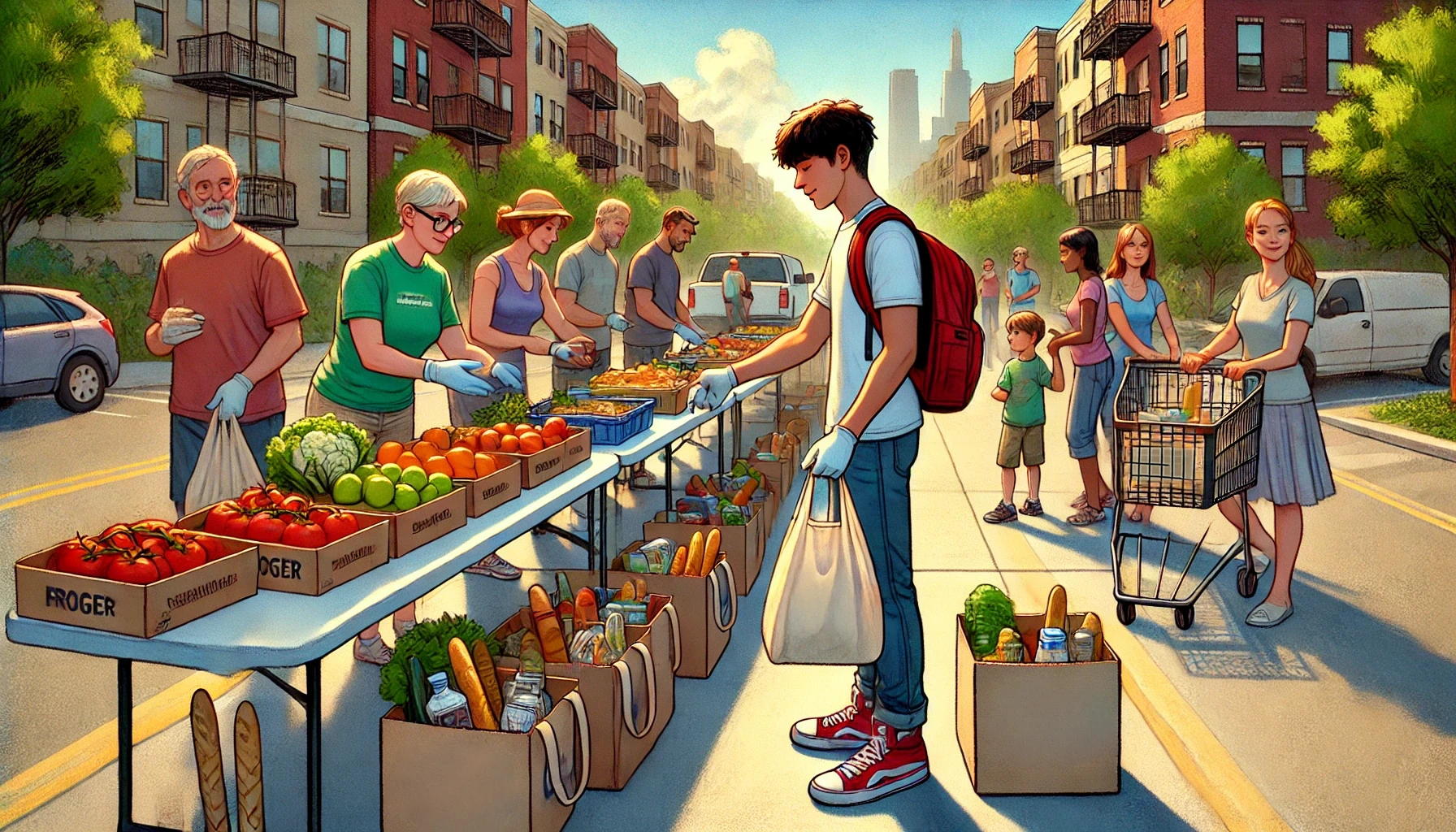
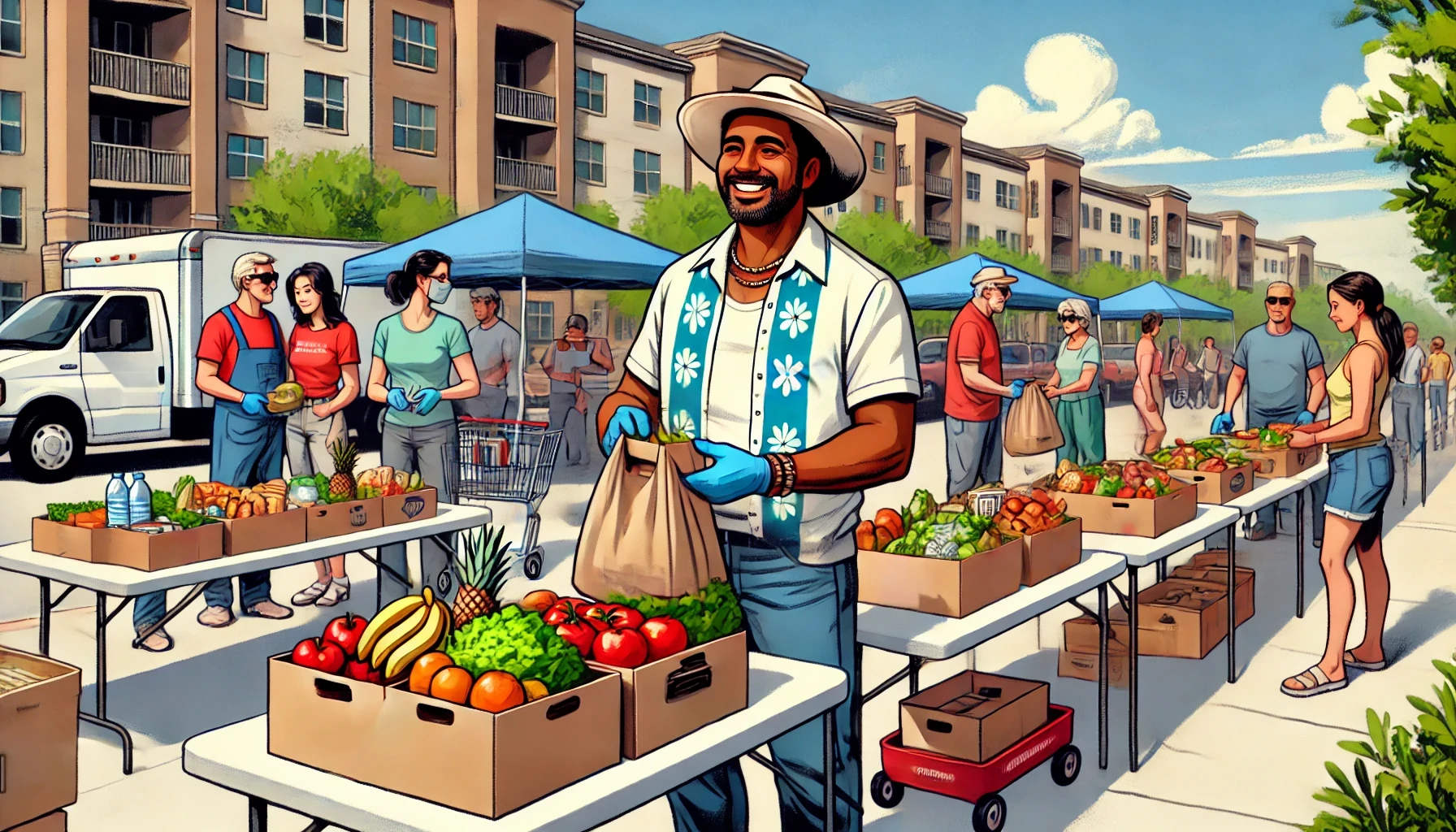
If you or your family need immediate food assistance, please check the calendar below to find upcoming Mobile Pop-Up events, including location, date, time, and whether the event is public or private. These events provide free food to community members with no registration or identification required. Food is distributed fairly and is open to everyone. Please remember to bring your own bags.
Everyone is welcome — we’re here to support our community and ensure that no one goes hungry.
Everyone is welcome — we’re here to support our community and ensure that no one goes hungry.
Three Nonprofits, United With One Mission
.png "image title")
.png "image title")

This collaborative network is dedicated to delivering food assistance and promoting community health & wellness throughout Orange County.
The Community Food Support Coalition, OC is a collaborative effort bringing together three local nonprofit organizations, with support from the Kroger Co. Zero Hunger | Zero Waste Foundation, to expand access to nutritious food for individuals and families experiencing food insecurity throughout Orange County. Coalition partners work together to reduce barriers to food access, strengthen community care, and ensure that food support is delivered with dignity, consistency, and reliability.
If you are the manager of a permanent or temporary supportive housing property whose residents are experiencing food insecurity, we can help!
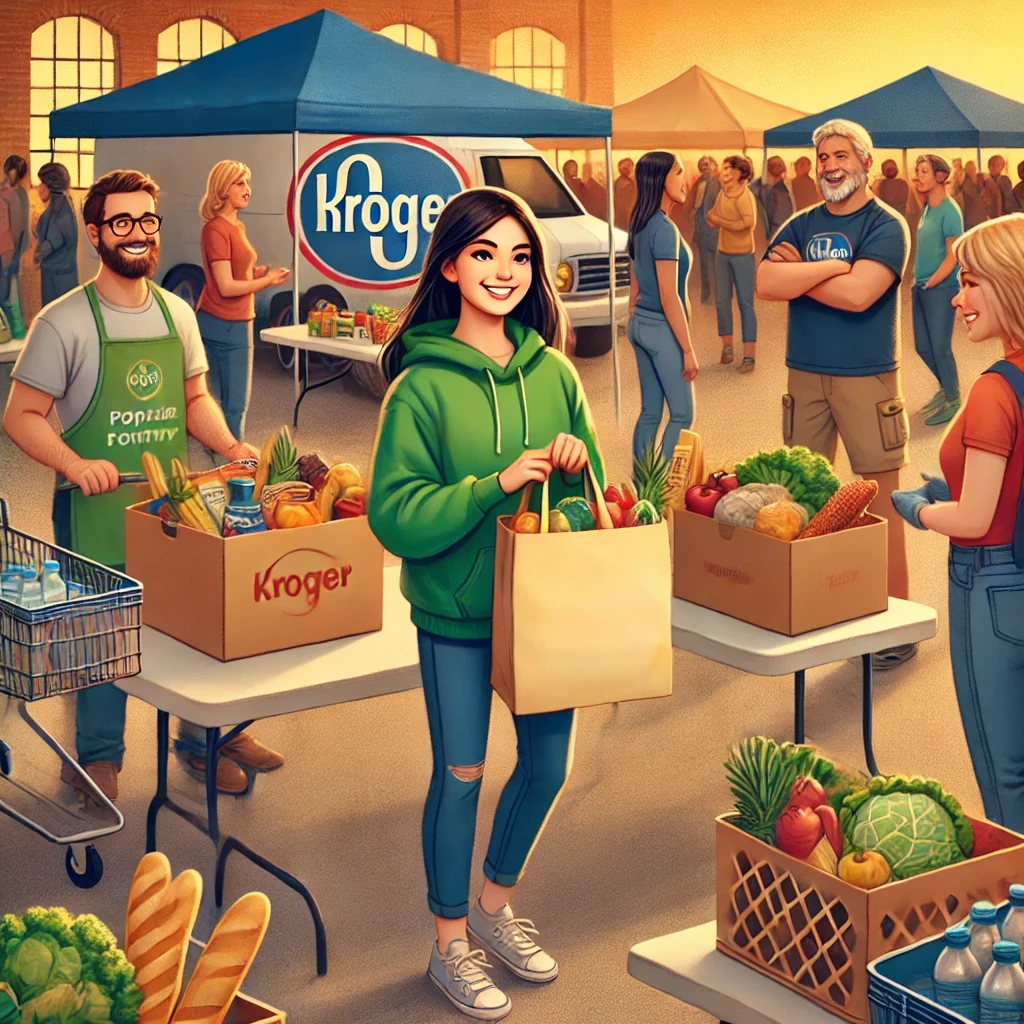

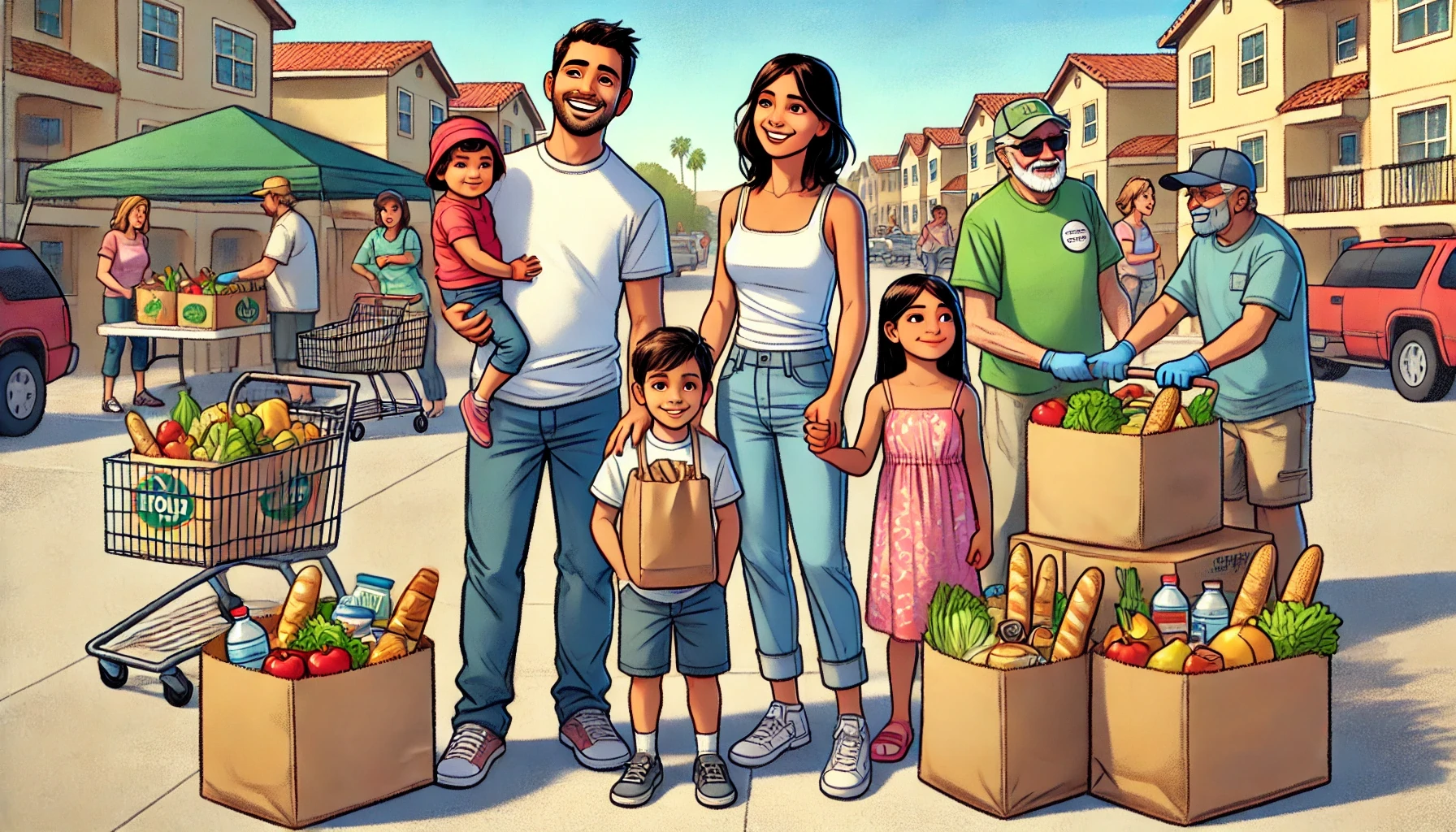
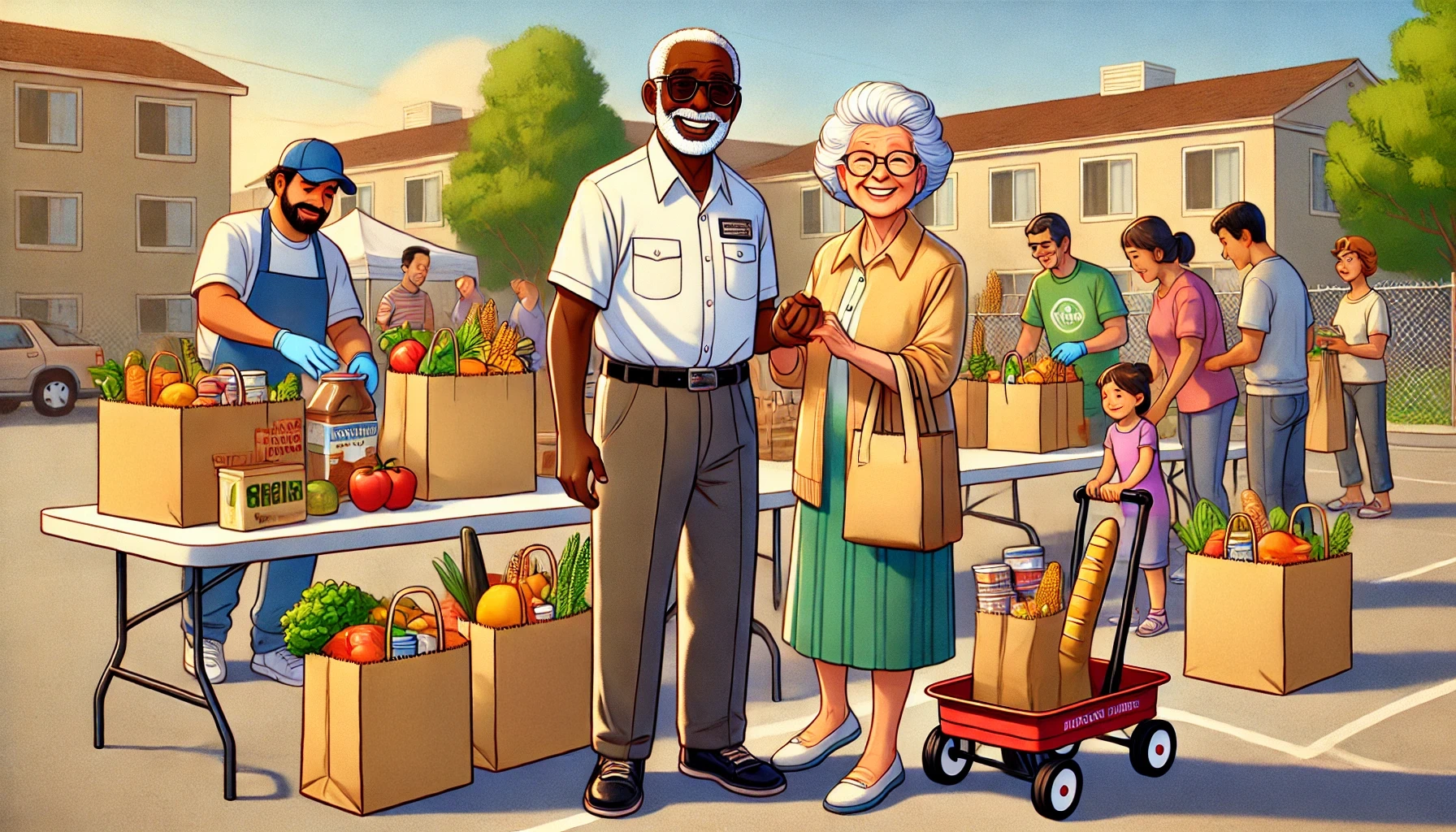
With support from the Kroger Co. Zero Hunger | Zero Waste Foundation, the Tree of New America is
one of three nonprofit organizations that form the Community Food Support Coalition, OC.

Three Nonprofits, One Mission